Salford Picnic
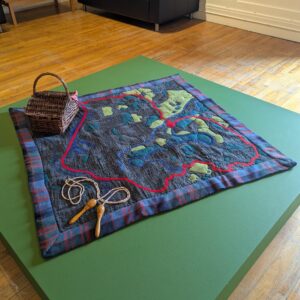
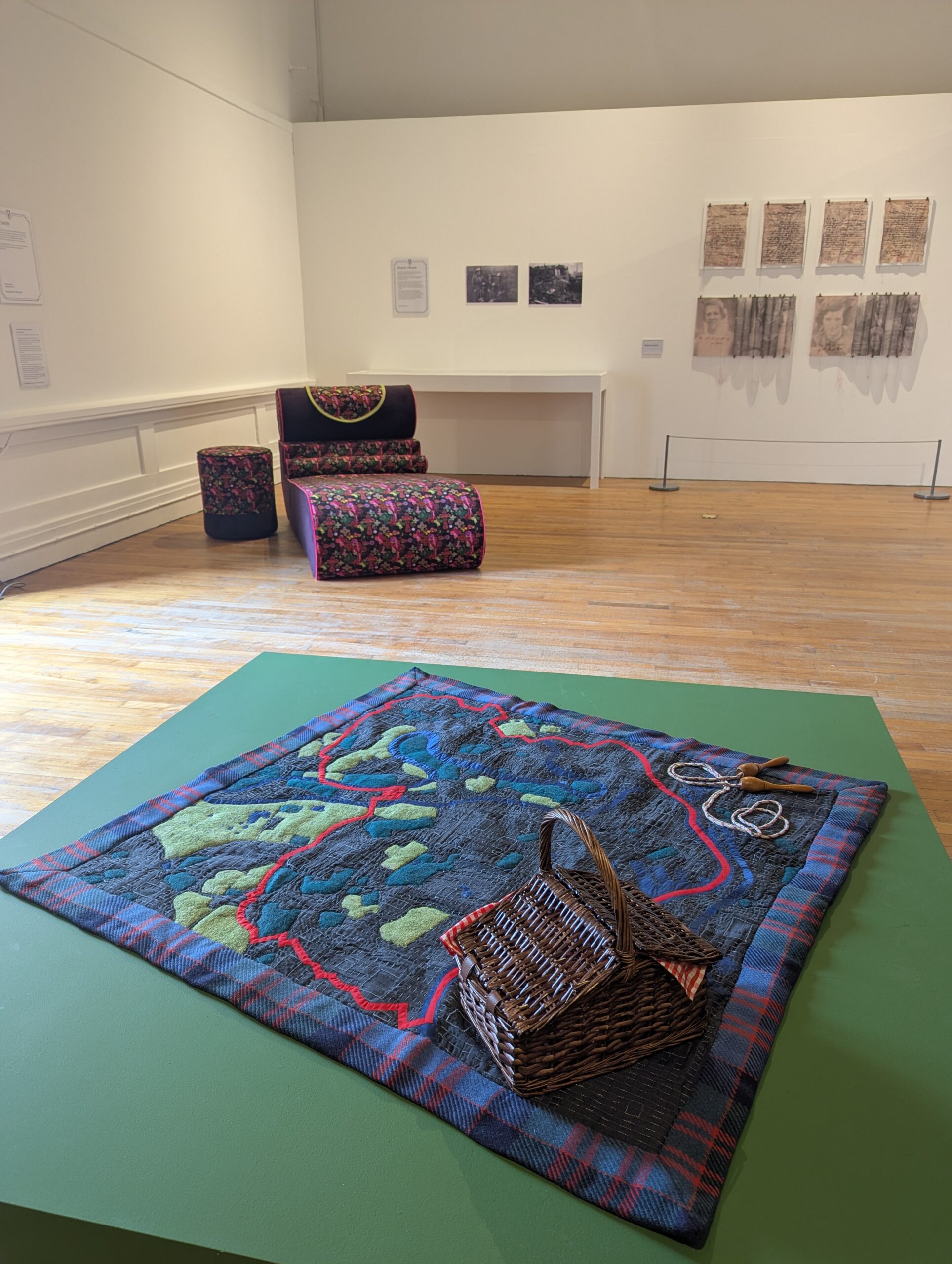
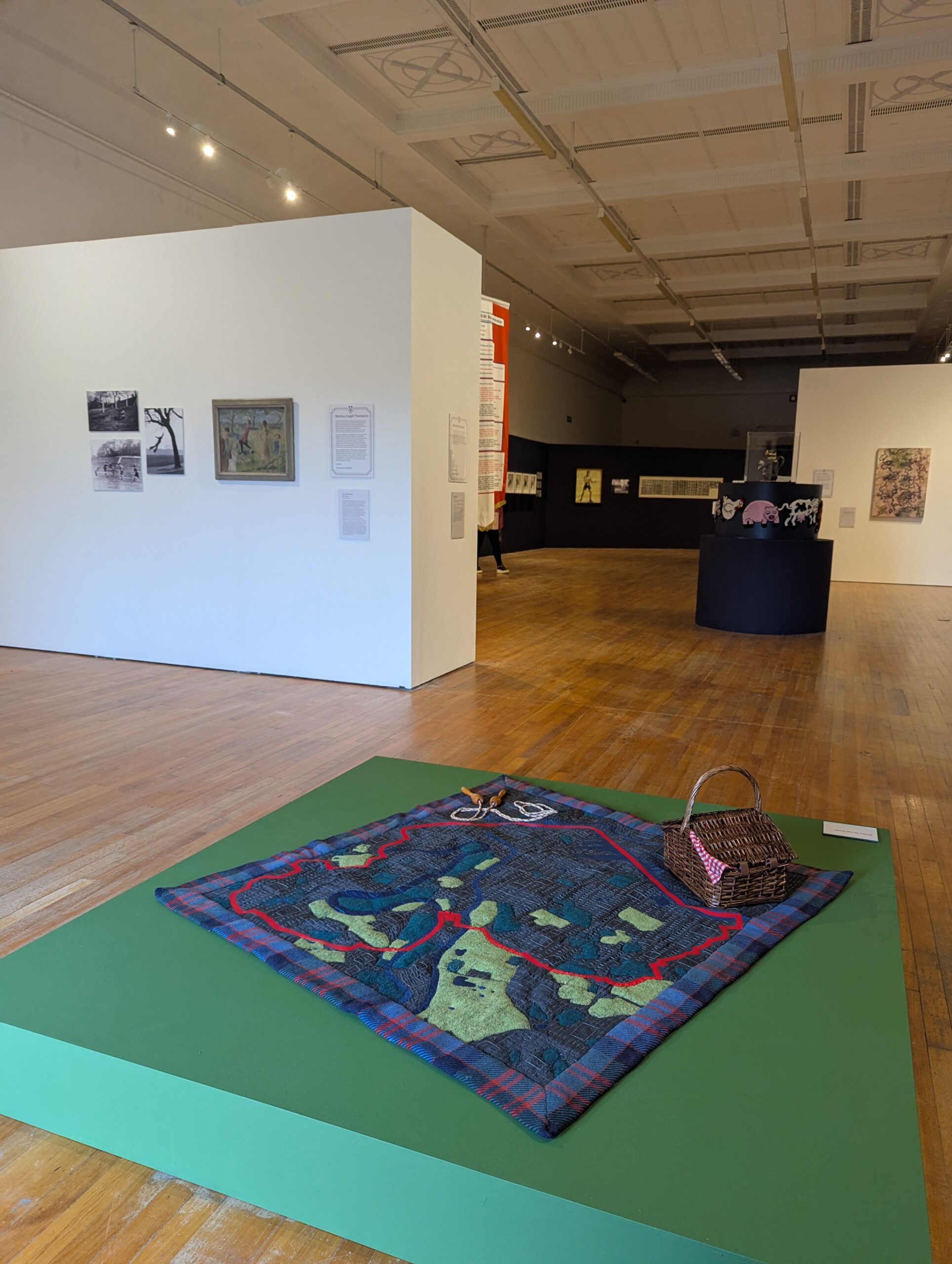
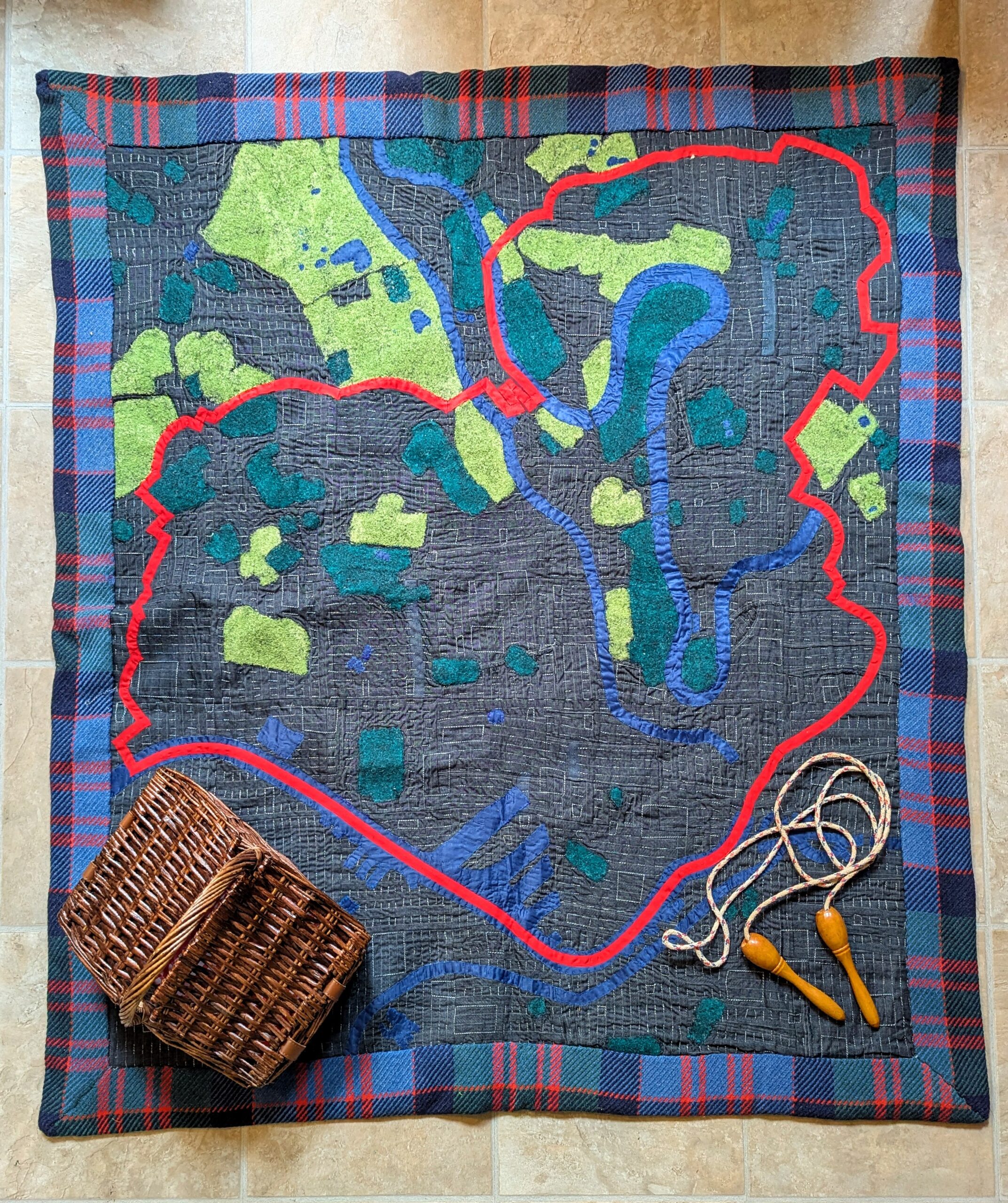
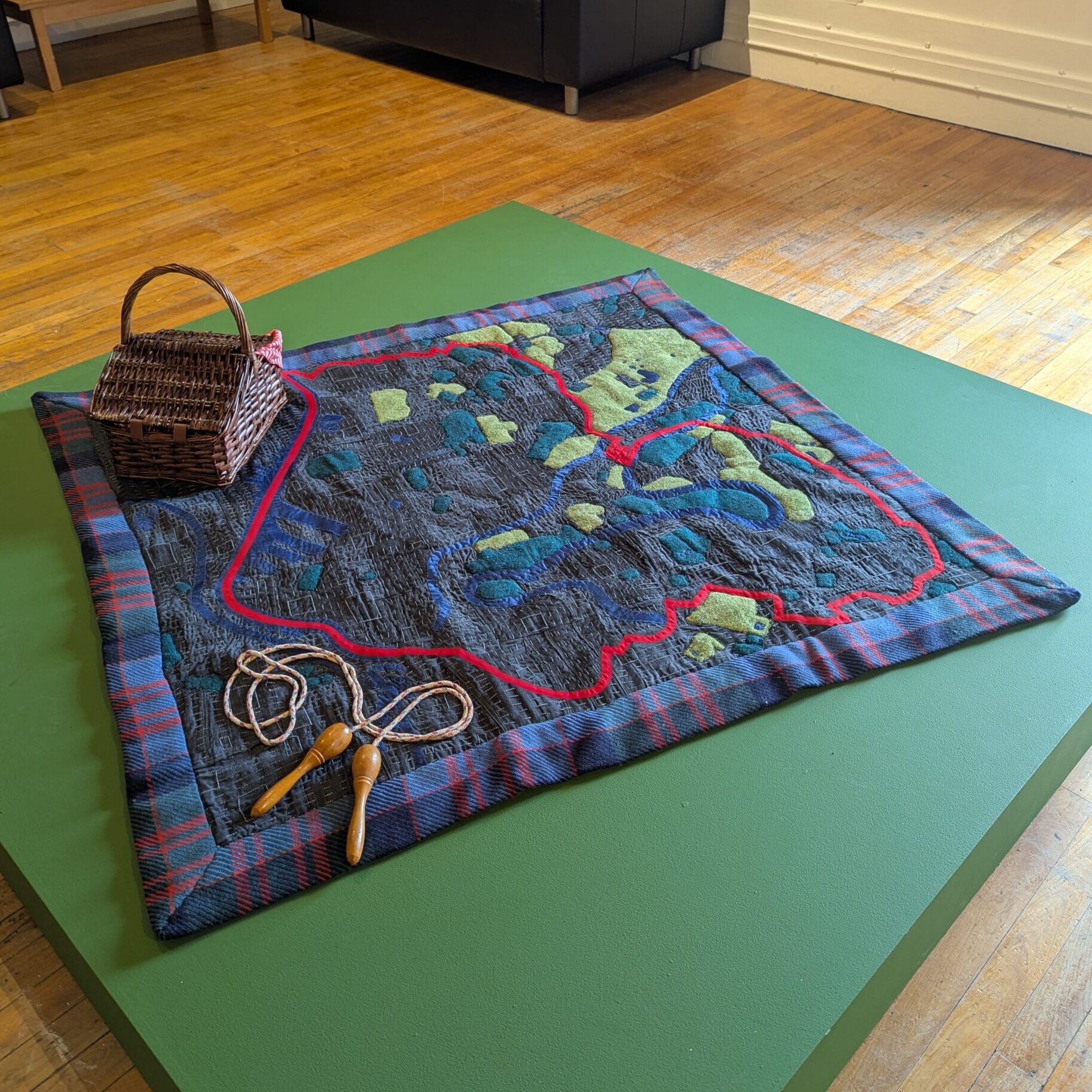
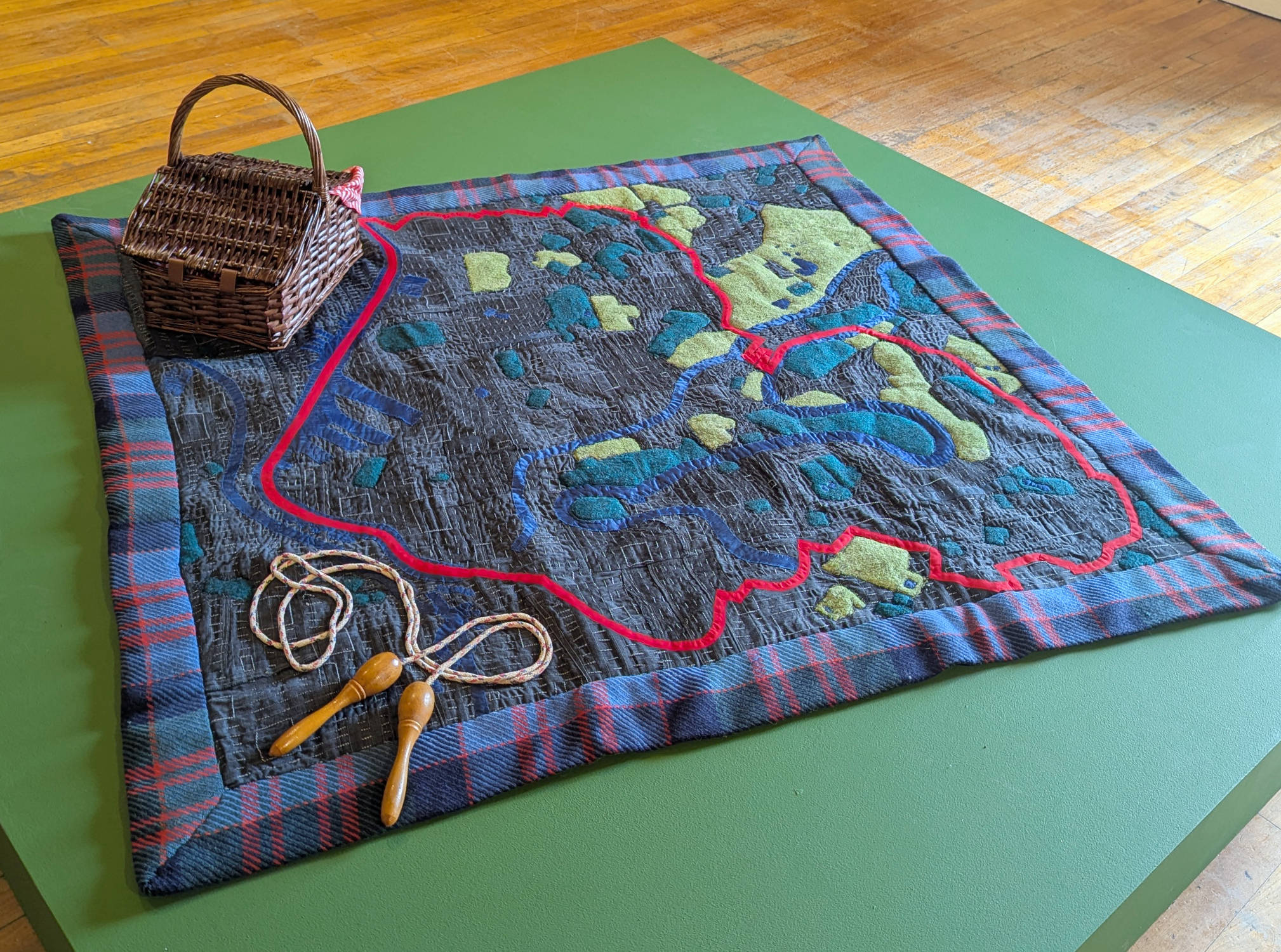
This piece celebrates the green spaces in the city of Salford at the time it became a city back in 1926, in the form of a picnic blanket. As our cities grow and develop, it is crucial to remember the importance of these spaces for the health and wellbeing (and therefore stability and productivity) of their residents and continue to protect them.
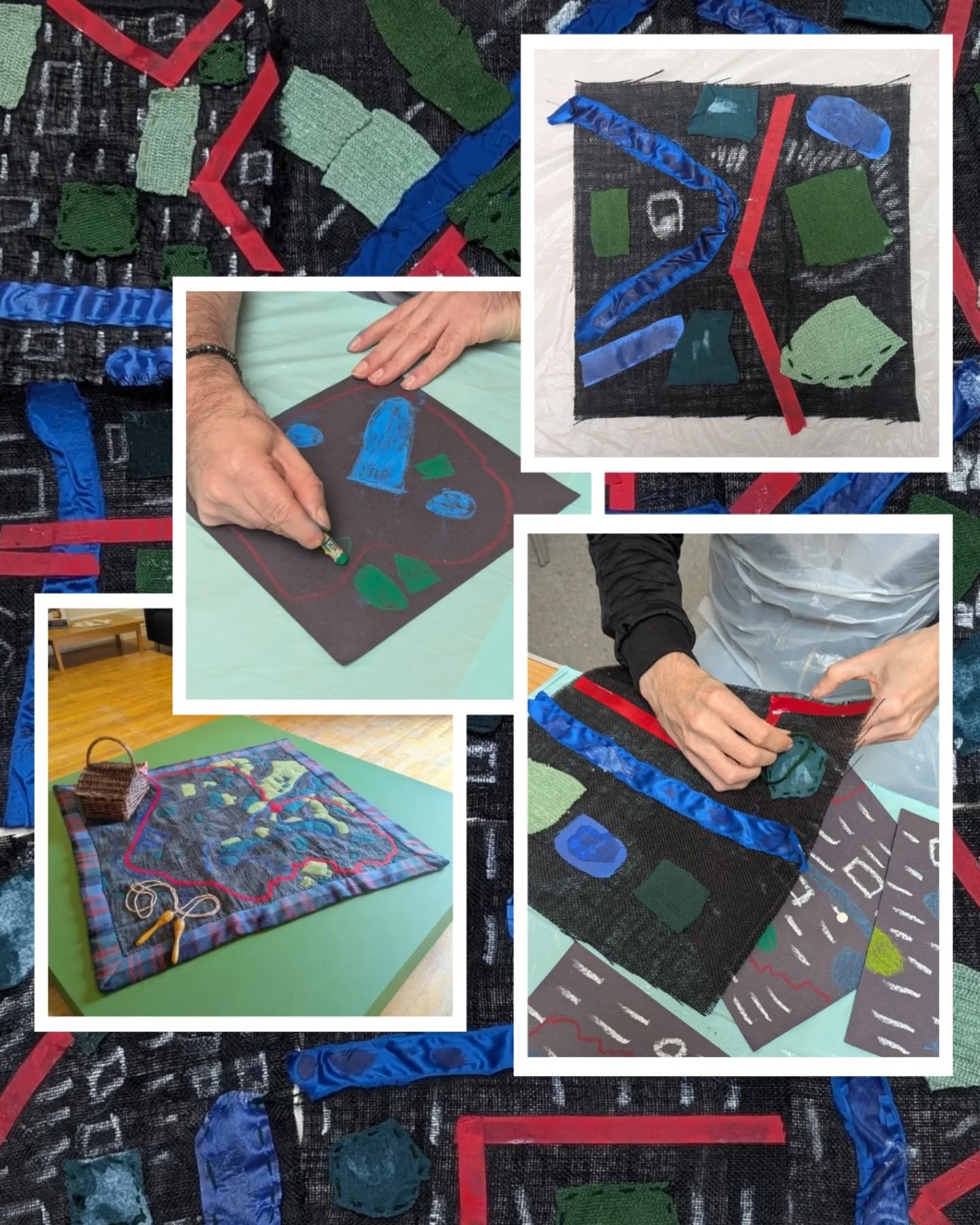
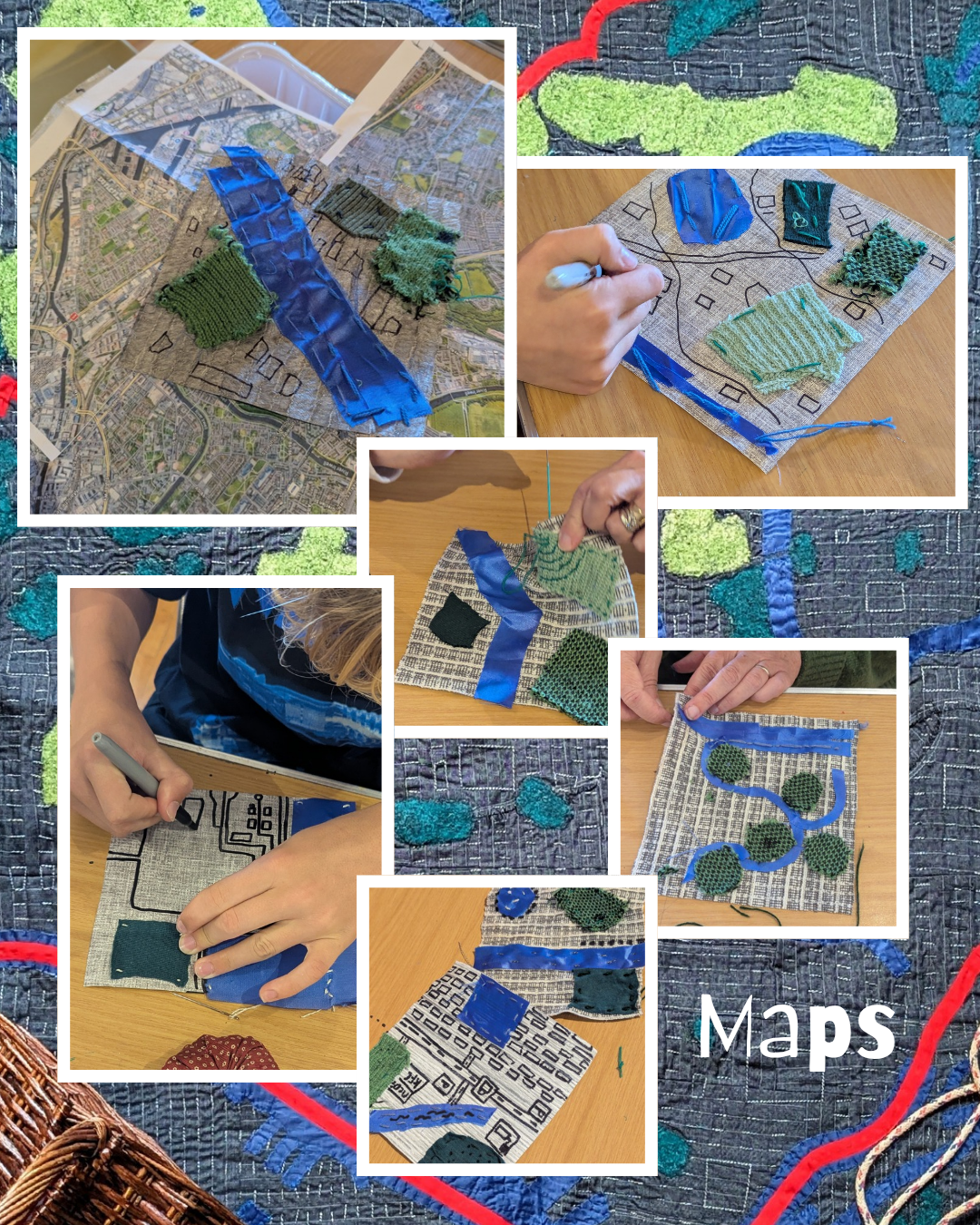
In the past, I have spent time working in Peel Park with DIY theatre company, a Salford based disability-led company, creating outdoor performances so know it well. Over lockdown, we explored the importance of our urban parks through online art workshops to create maps of our dream parks using storytelling, mark making and collage. For people with mobility issues, parks are particularly important as an accessible connection to nature and green space.
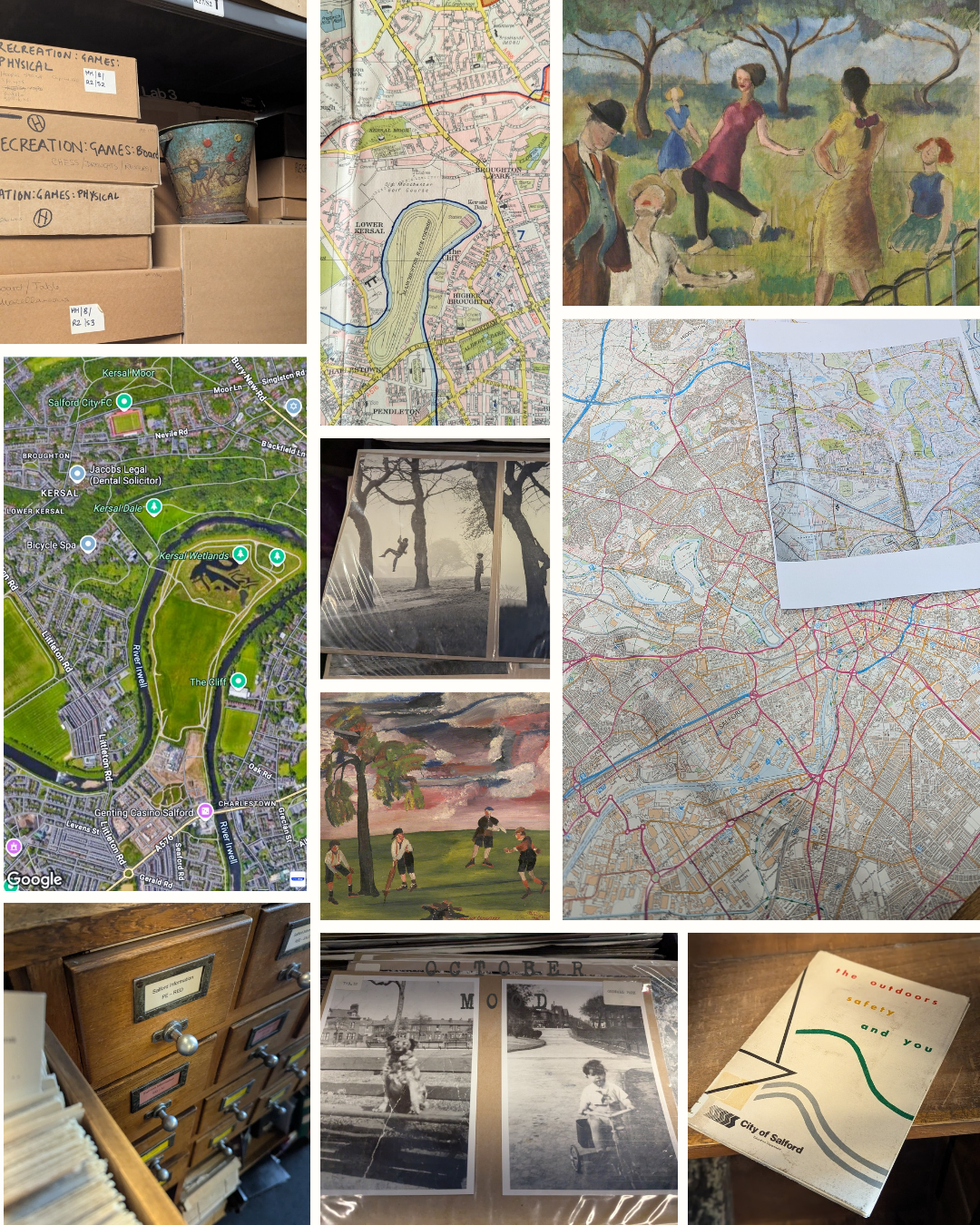
Through this project, I have investigated Salford parks and green spaces further, delving into the archives both in person and online. I had a dig in the local history library and spent time pouring over maps old and new and comparing with satellite images exploring green spaces. To create a piece that was manageable and recognisable, I chose to restrict myself to the area that formed Salford at the time that it became a city.
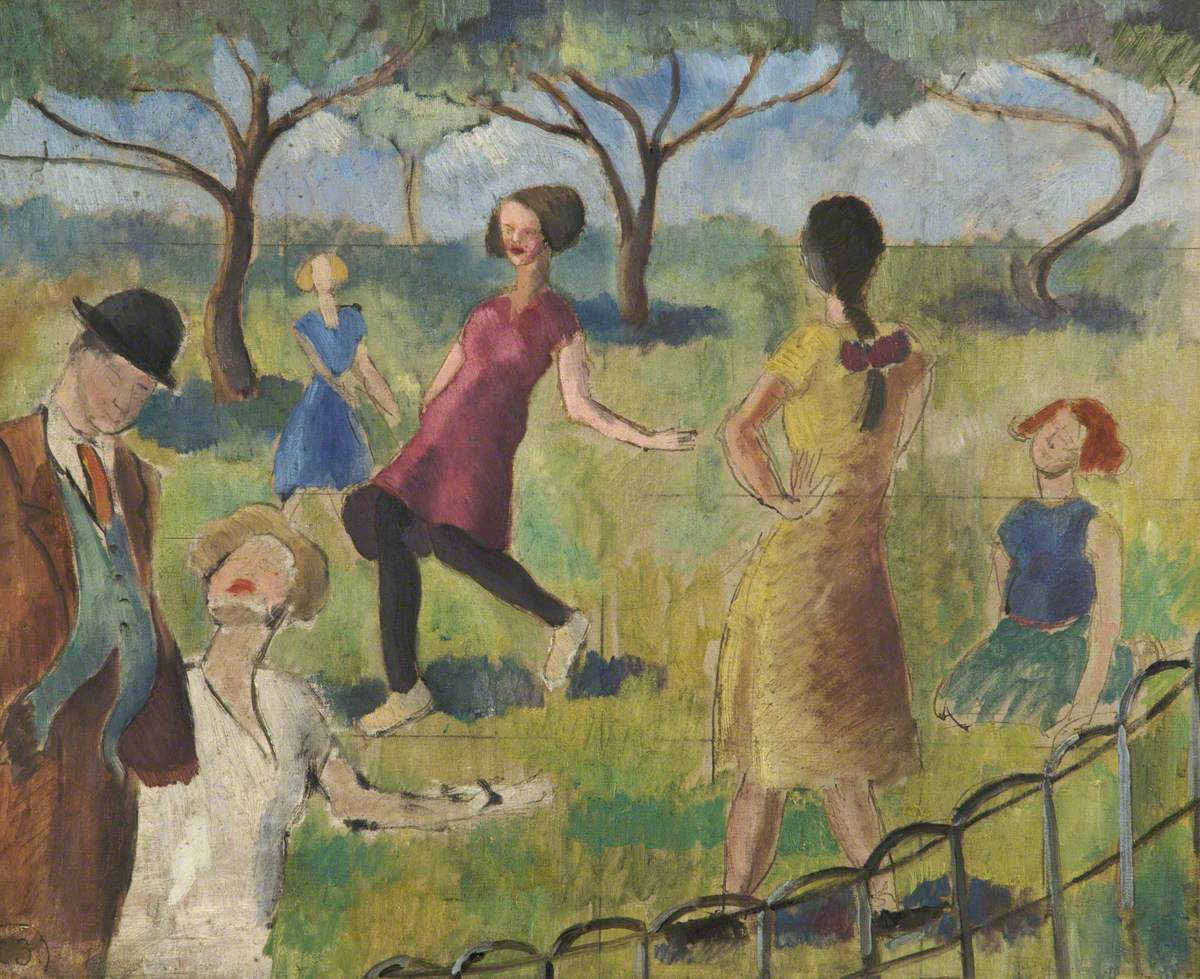
I also browsed the photo archive in the Local History library, enjoying images of residents using neighbourhood parks for recreation and events over the years. I was intrigued by a vintage Outdoor Safety brochure published by Salford Council. I had thought that I would select some sort of outdoor play equipment as my object from the archives but I was attracted to a series paintings all gifted to the collection by Mrs Lucy Wertheim; “Boy Cricketers” & “Girl Cricketers” by Henry Stockley and “Model Yacht Pond” & “In The Park” by I. F. Godfrey, as they showed customary use of local parks. In the end I chose “In The Park” for its sense of freedom and relaxation; the colours are bright and bold and feels very modern. It could easily be a depiction of last summer rather than last century.
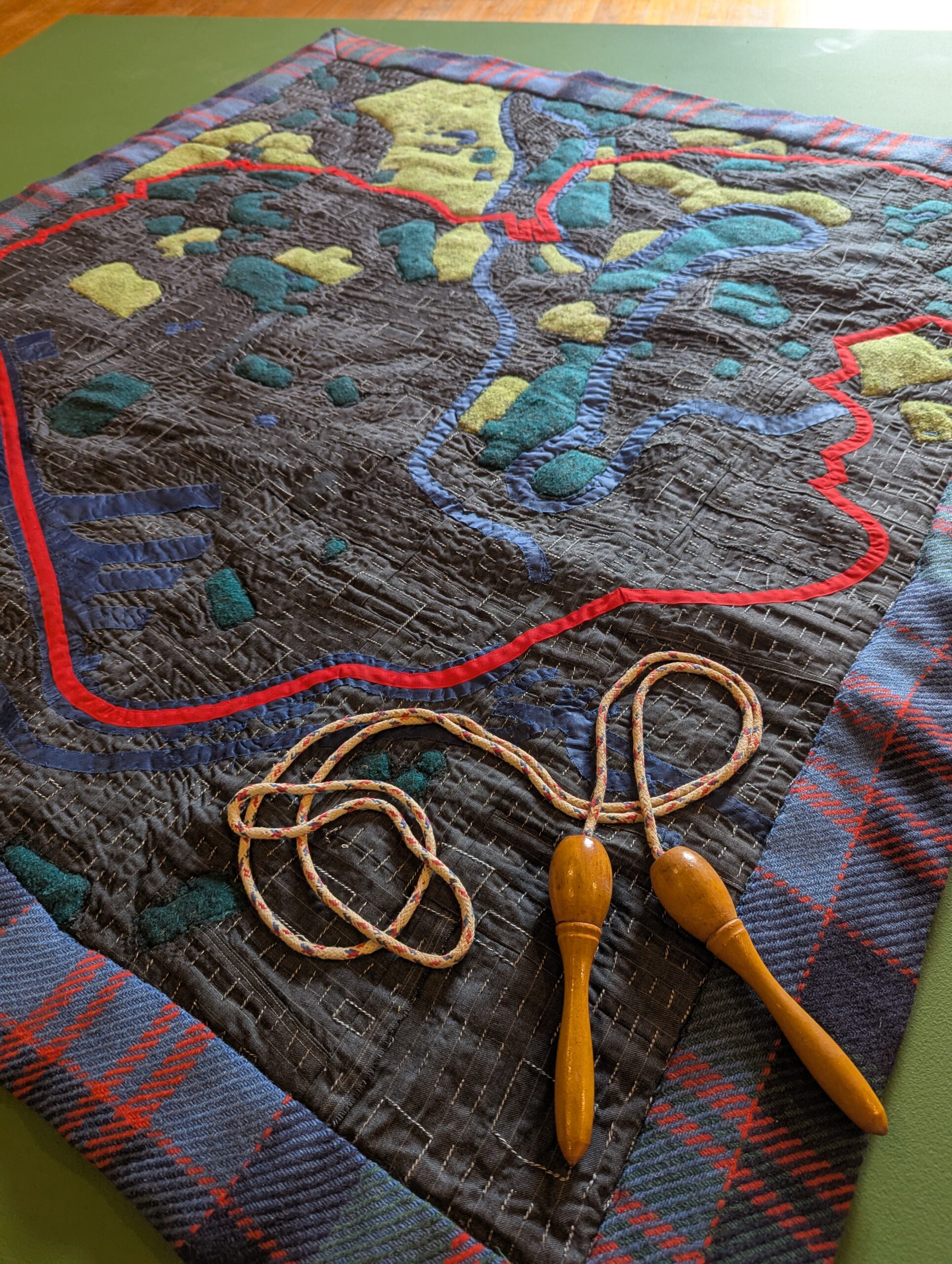
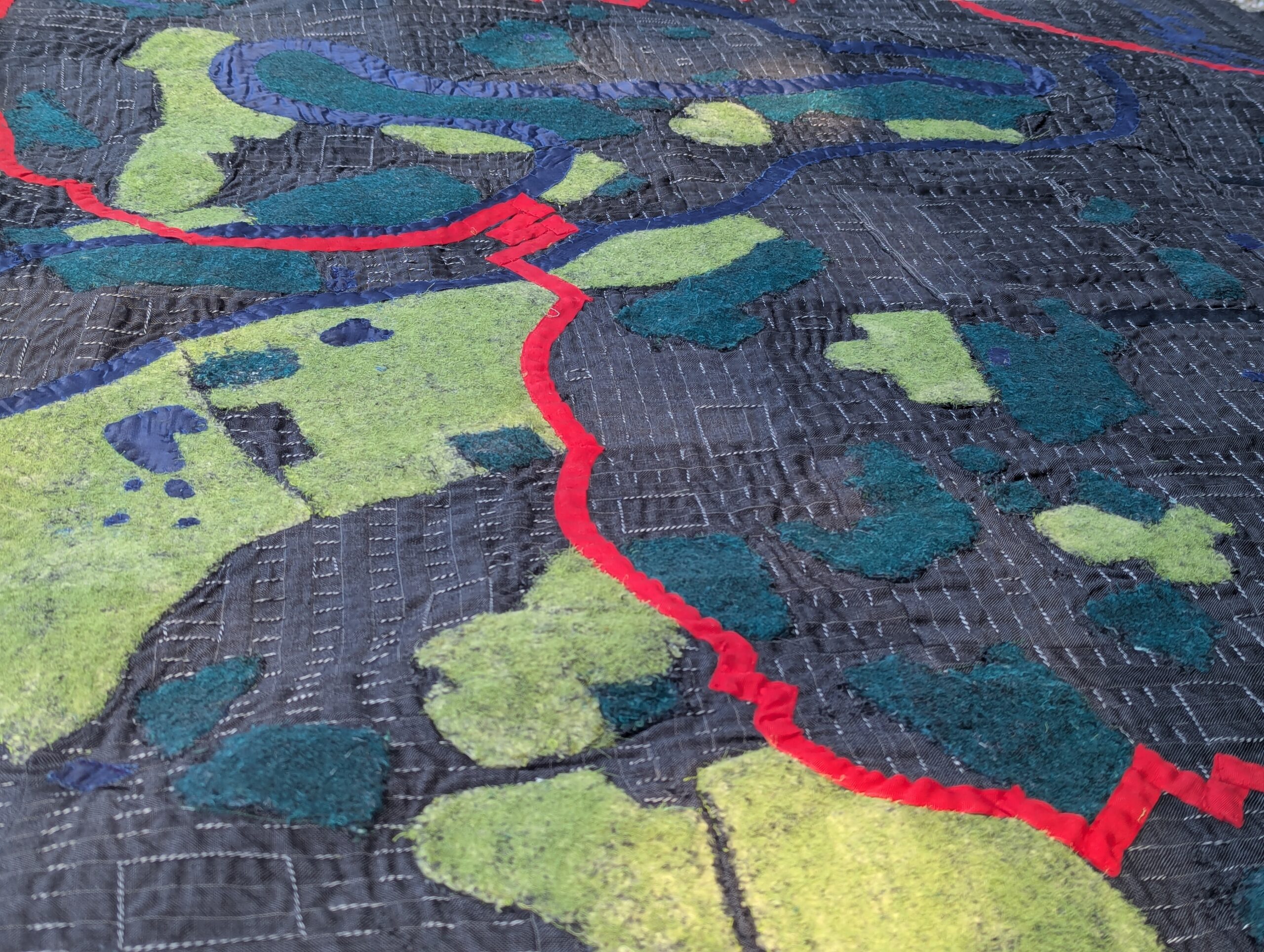
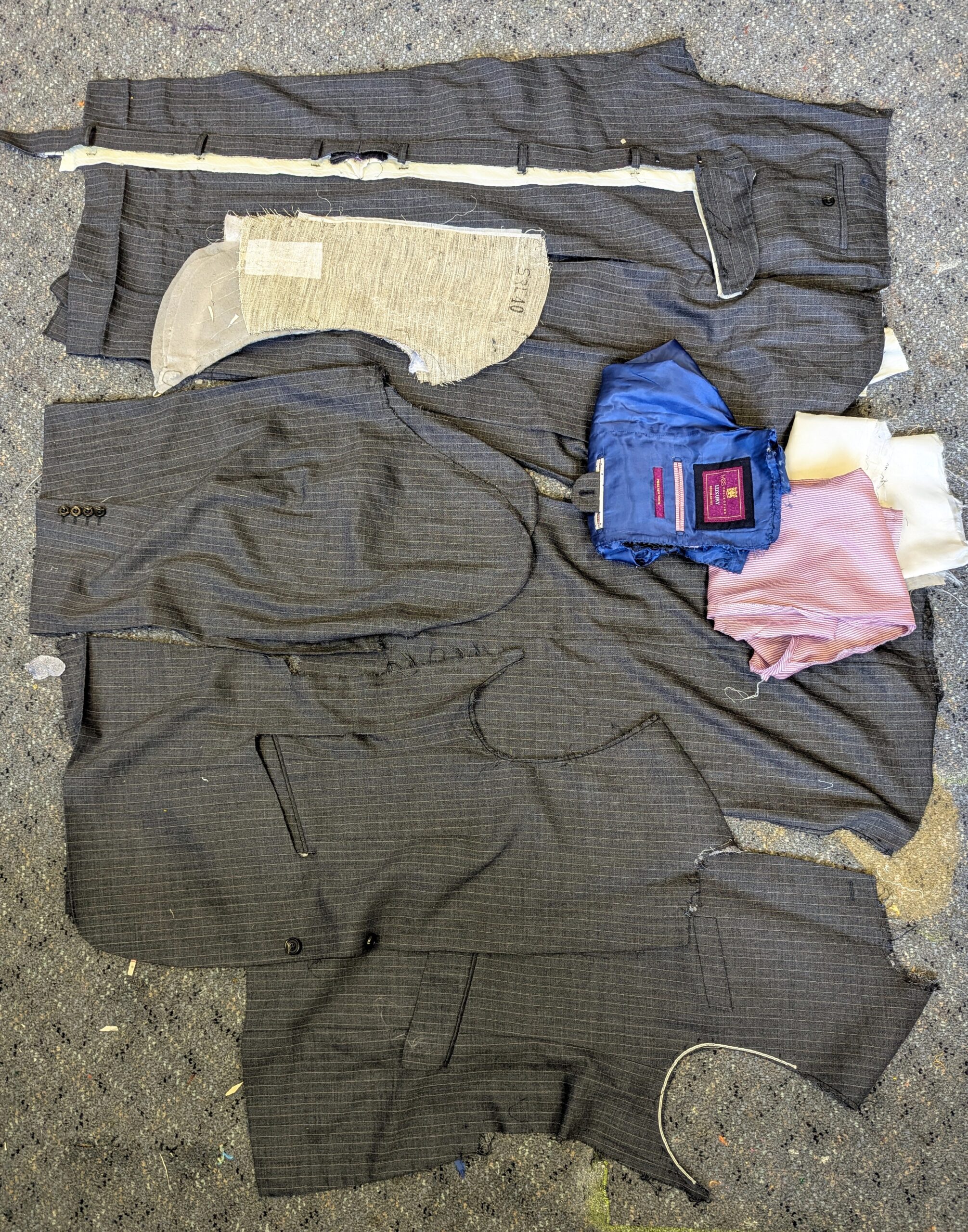
Within my practice I use waste materials particularly old clothing and household fabrics. For this project, I chose to use a pinstripe suit to represent the city. I deconstructed it and cut it into squares to make a patchwork quilt. The waterways are made from the suit lining. I blended scraps of other clothing using an embellishing machine to pick out the green spaces in a soft mossy texture; depicting the parks but also reminiscent of the moss that grows between pavement cracks; pockets of nature in the city. I used a sashiko stitch to reinforce the quilt and give a sense of city streets. The city border is picked out in legal ribbon and the piece is bordered and backed using an old travel blanket belonging to my Mother in colours that connected with the piece. I chose to display it on the floor/plinth, with vintage props, to embody a sense of common use rather than hung on a wall as a decorative map.
Related Content
-

Edgelands
Edgelands is a term for the transitional, liminal zone of space created between rural and urban areas. These spaces often contain nature alongside cities, towns, roads and other unsightly but necessary buildings, such as industrial estates and rubbish dumps, at the edge of cities. It is an area where nature meets manmade. Man casually dumps its rubbish in […]
-

No Man is an Island
A new series of work based on maps and landscape. Still combining embellished textiles and concrete cast in plastic waste exploring how our actions have an effect on others, our community and the world as a whole. In 2019, the humble milkshake became a symbol of political dissent particularly regarding anti-Brexit so I chose discarded […]
-

Textile Collage
Collage using recycled materials like old clothing for vibrant colour and great textures. Using glue speeds up the process but also opens it to those who struggle to stitch.